Trending

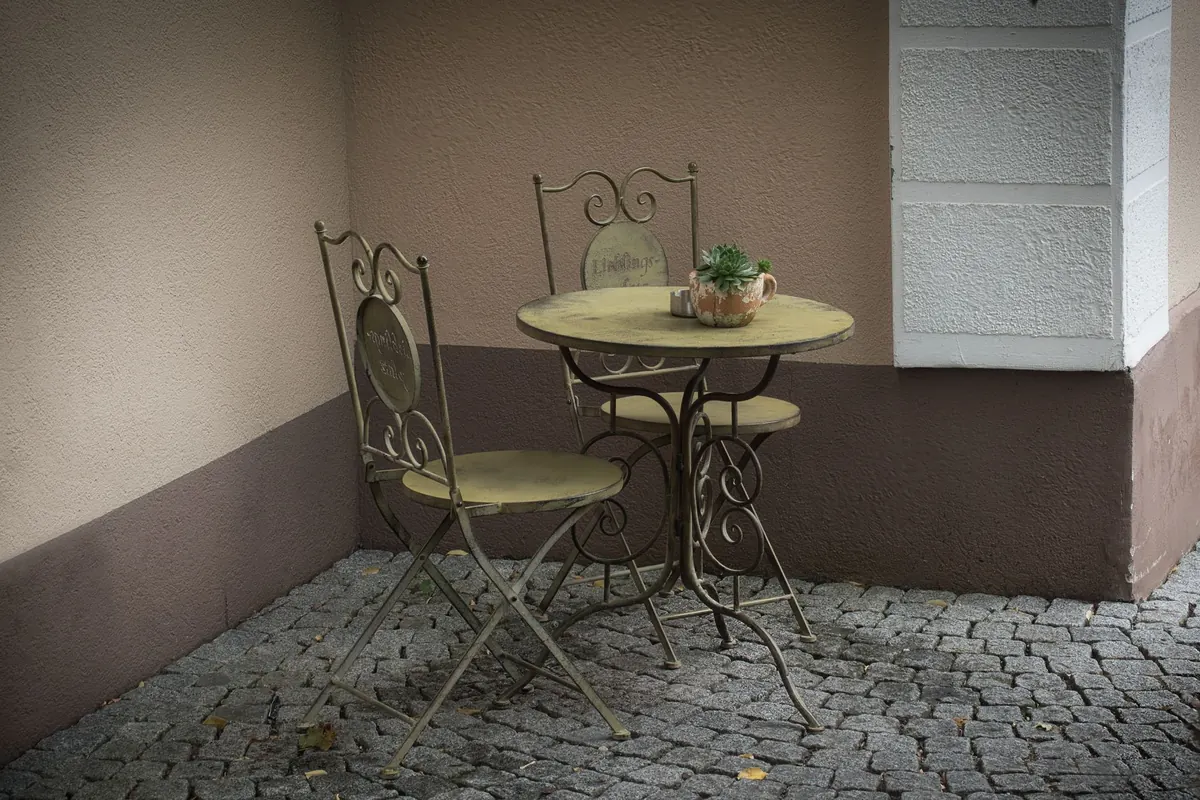
Spring and autumn are the seasons when a garden can feel generous at noon and hostile by five. The sun sits lower, the wind finds gaps, and the patio that worked beautifully in July suddenly needs a strategy. The answer is not to heat the whole garden or seal it behind glass. It is to make a smaller, better-protected room outdoors — one you can open up on a mild day and close down when the temperature drops. These eight measures, used together, can add weeks of comfortable use at both ends of the year.
Wind does more to spoil shoulder-season comfort than air temperature alone. A breeze can make a mild afternoon feel raw once you stop moving, and it pulls heat away from anyone sitting still with a cup of tea. Before buying a heater, watch where wind crosses the patio at different times of day. The fix is often a screen, a hedge, or a repositioned chair rather than a machine.
Choose the exposed side of the seating area, not the side that looks neatest on a plan. A slatted wooden screen, a woven hurdle, a trellis with a tolerant climber, or an evergreen hedge will all slow wind without turning the patio into a bunker. Permeable barriers usually feel better than solid walls because they filter the breeze instead of forcing it over the top and down into the seats. Place the screen close enough to protect the table but leave room for planting and maintenance. If the patio is raised, pay extra attention to the gap between deck level and screen; cold air and wind often sneak in low.
A single sheltered corner works better than a fully wrapped terrace. Protect two sides, leave one open to the view, and keep a clear route in and out. In practice, that might mean a fence panel on the prevailing-wind side, a tall planter at the corner, and a removable side screen for especially cold evenings. Avoid creating a narrow tunnel between house and boundary; it will funnel wind straight at the table. If you use removable panels or sails, store them in calm weather rather than leaving them to flap through a storm.
Outdoor heating works best when it is aimed at people and supported by simple layers. A big heater warming open air is expensive to run and easy to misuse. Start with the seats, then add a heat source that suits the space.
A small fire bowl or chiminea creates a focal point and takes the chill off a circle of chairs, but it needs safe clearance, a stable surface, and constant attention. Gas and electric patio heaters are easier to switch on for a short evening; infrared models warm people and surfaces rather than the surrounding air. For fixed gas or electrical installations, use a qualified installer and follow the manufacturer’s clearance and ventilation requirements. Never use a barbecue, charcoal burner, or unvented fuel source in an enclosed or poorly ventilated space. If you are unsure about siting or fuel, ask a qualified tradesperson before you commit.
Throws, outdoor cushions, and a rug underfoot often do more for comfort than a heater pointed at the sky. Keep a weatherproof basket by the door with two or three wool or fleece blankets that can go out and come back in easily. A bench with a back and arms feels warmer than a backless stool because it shields the body from draughts. If you have a low brick or stone wall near the seating area, use it as a windbreak and a slow-release heat store after a sunny afternoon. Add a footstool or a thick mat so feet are not resting on cold paving.
Shoulder-season cover is mainly about rain, dew, and low sun, not about creating an indoor room. A retractable awning, a pergola with a removable canopy, a well-anchored parasol, or a small glass canopy over the door can all extend the hours you spend outside. The best choice depends on whether you need shade at lunchtime, shelter for a evening meal, or a dry path to the door. Keep ventilation in mind: a cover that traps damp air will feel colder than an open patio. Check how water will drain, take down fabric covers before strong wind, and store anything that cannot stay outside through winter. Breathable outdoor fabrics are usually more comfortable than plastic sheeting, which collects condensation.
Cold, damp paving undermines every other improvement. Sweep leaves, clear drains, and check that water runs away from the house and seating area. Decking may need a clean and a check for slippery patches; gravel should be raked level; stone should be free of moss where people walk. An outdoor rug can make a real difference under a table, provided the surface beneath drains well and the rug is not left sitting in water. Choose furniture you can move: lightweight chairs with backs and arms, a small side table for cups, and a bench that can be pulled into the sun. Arrange for four people rather than twelve. A tight, comfortable group stays warmer than a scattered one.
Evergreen shrubs give the patio a sense of enclosure when deciduous plants are bare. Grasses add movement without blocking light, and autumn colour can make a late-season lunch feel deliberate rather than improvised. Place scented plants near the door or beside a seat: winter honeysuckle, sarcococca, or a pot of rosemary that you brush as you pass. Check hardiness for your own climate before planting, and give windbreaks enough room to establish. Pots are useful for screening because they can be moved to block a gap or opened up when you want the view back. Mulch in autumn, water young plants in dry spring spells, and keep foliage clear of the heater and fire zone.
Shoulder-season outdoor living is often spontaneous: a bright half-hour, a sudden dry evening, a friend who stays longer than expected. If setting up takes twenty minutes, you will not do it. Keep cushions in a weatherproof box, throws in a basket, and lanterns on a hook by the door. Use battery or solar lights on a timer so the patio is welcoming before you carry anything out. Have a simple cover routine for the night: stack cushions, close the umbrella, pull the throw basket inside, and check that the heater is off and cool before you leave it. A five-minute routine makes the difference between using the patio and merely looking at it.
Before you plan a full evening outside, run through the basics and adjust as the weather changes.
Small adjustments, repeated through the season, are what make a patio feel usable in April and October. Shelter the seats, warm the people, cover the table, and keep the whole operation simple enough to repeat tomorrow.
Photo: Joerg Hartmann / Pexels